 Cosmetic
Hairline cracks
Thin lines under 1/16 in (2 mm) wide that wander in no set direction.
Not every crack is an emergency, but every crack is a path for water. We measure it, find out why it opened, and repair it with the method that fits — usually in a single visit.
Direction, width and pattern show whether a crack is harmless shrinkage or a sign the wall is moving. Filter by how serious they usually are.
Cosmetic
Thin lines under 1/16 in (2 mm) wide that wander in no set direction.
 Monitor
Run straight up and down, usually between 1/16 and 1/4 in wide.
 Monitor
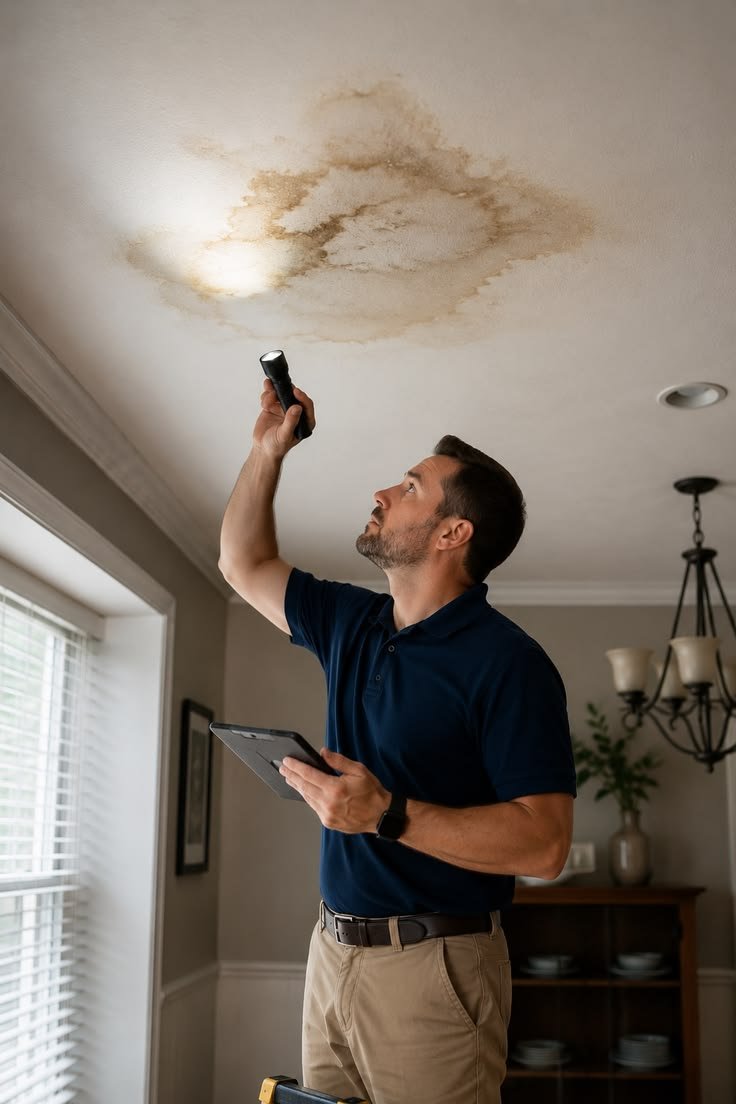
Slope at 30–75° and are often wider at one end than the other.
 Cosmetic
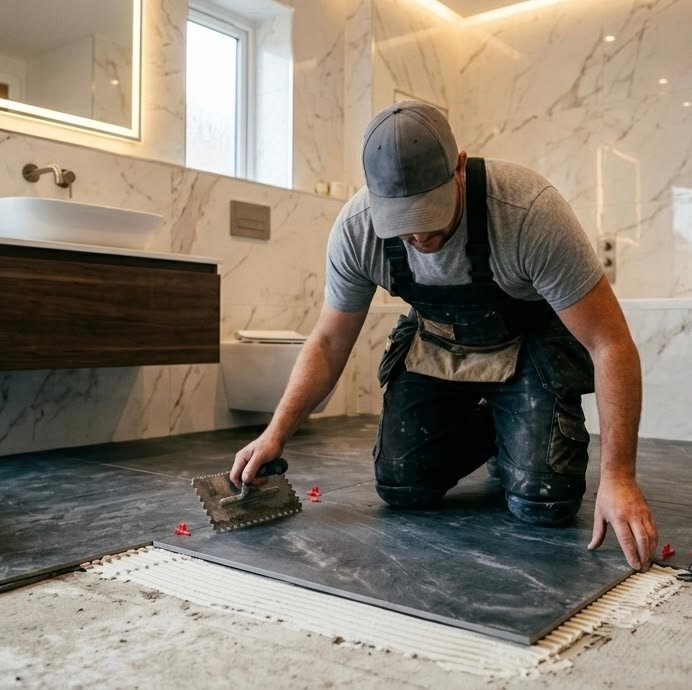
Branching or straight lines in the basement or garage floor.
 Structural
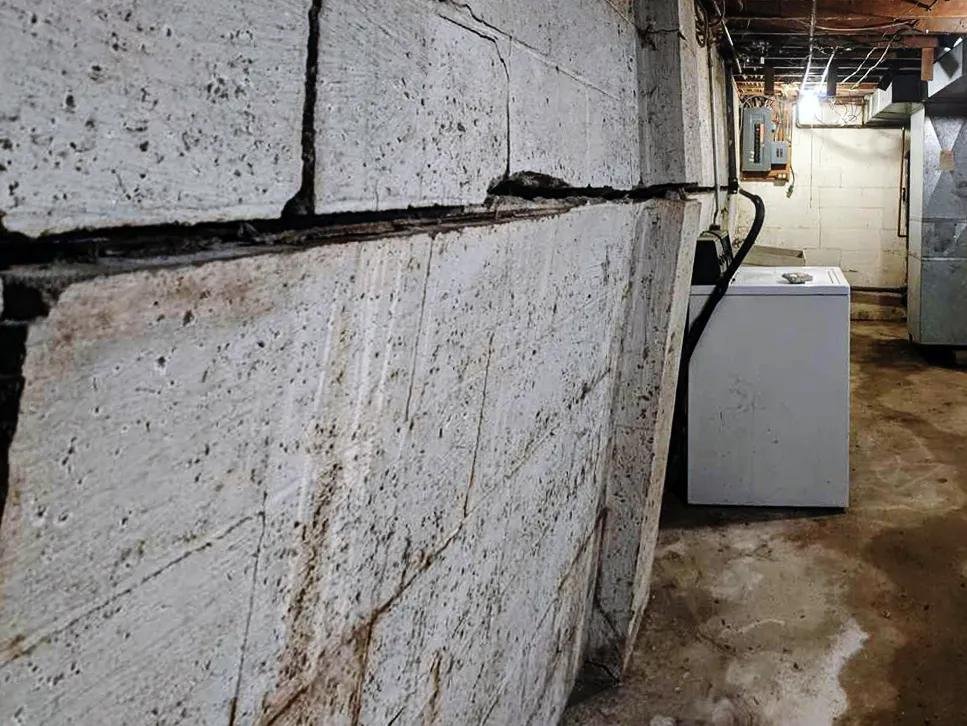
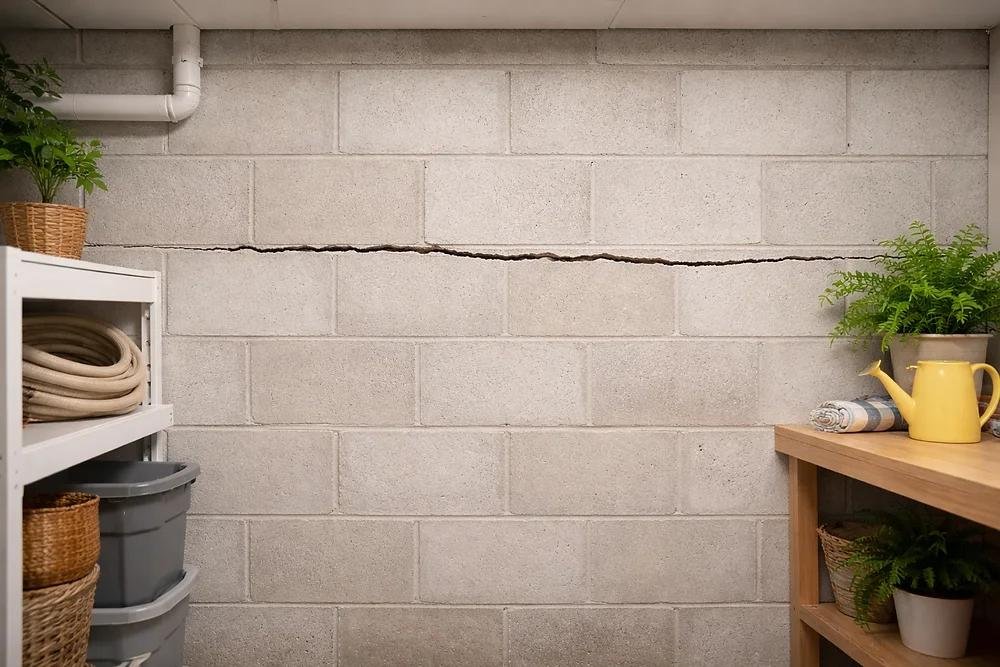
Run sideways along a wall, often with the wall bowing inward.
 Structural
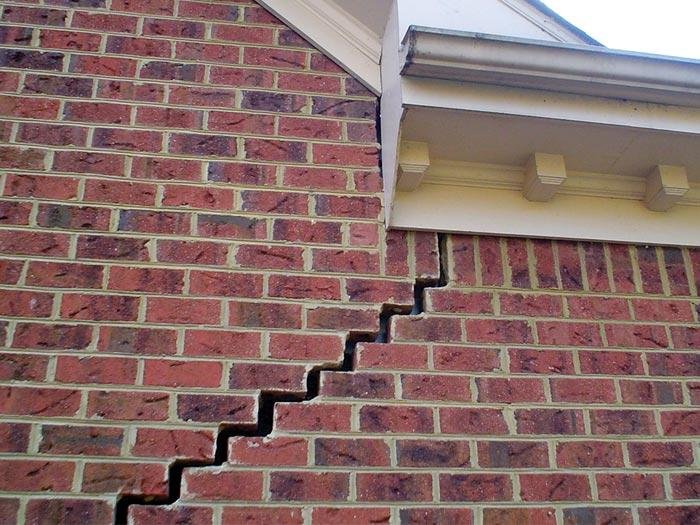
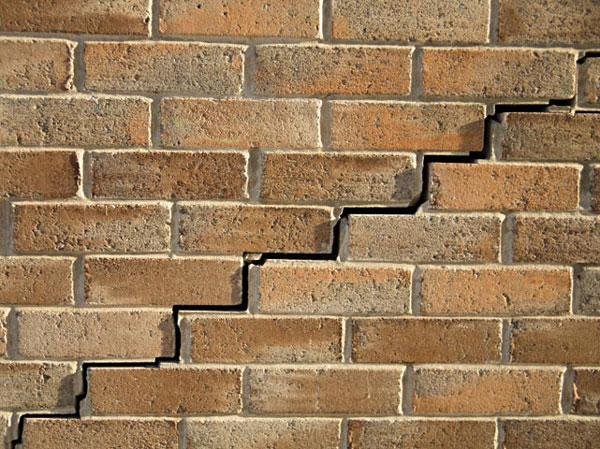
Follow the mortar joints of a block or brick wall in a stepped line.
A crack is a symptom. Repairing it without fixing the cause is how it comes back, so we look for what is pushing, pulling or soaking your foundation first.
Loose or poorly compacted fill sinks under the weight of the house.
Saturated soil pushes on walls and floors until the weakest point gives.
Frozen ground expands and lifts, then drops back when it thaws.
Clay swells when wet and shrinks in dry spells, flexing the foundation.
Thirsty trees dry out soil, and downspouts that dump by the wall flood it.
Weak concrete mixes or missing reinforcement crack early.
We never use one method for everything. After the inspection we match the repair to the crack, the wall and the cause.
Rigid epoxy is pushed into the crack under low pressure and bonds the two sides back into one solid piece of concrete.
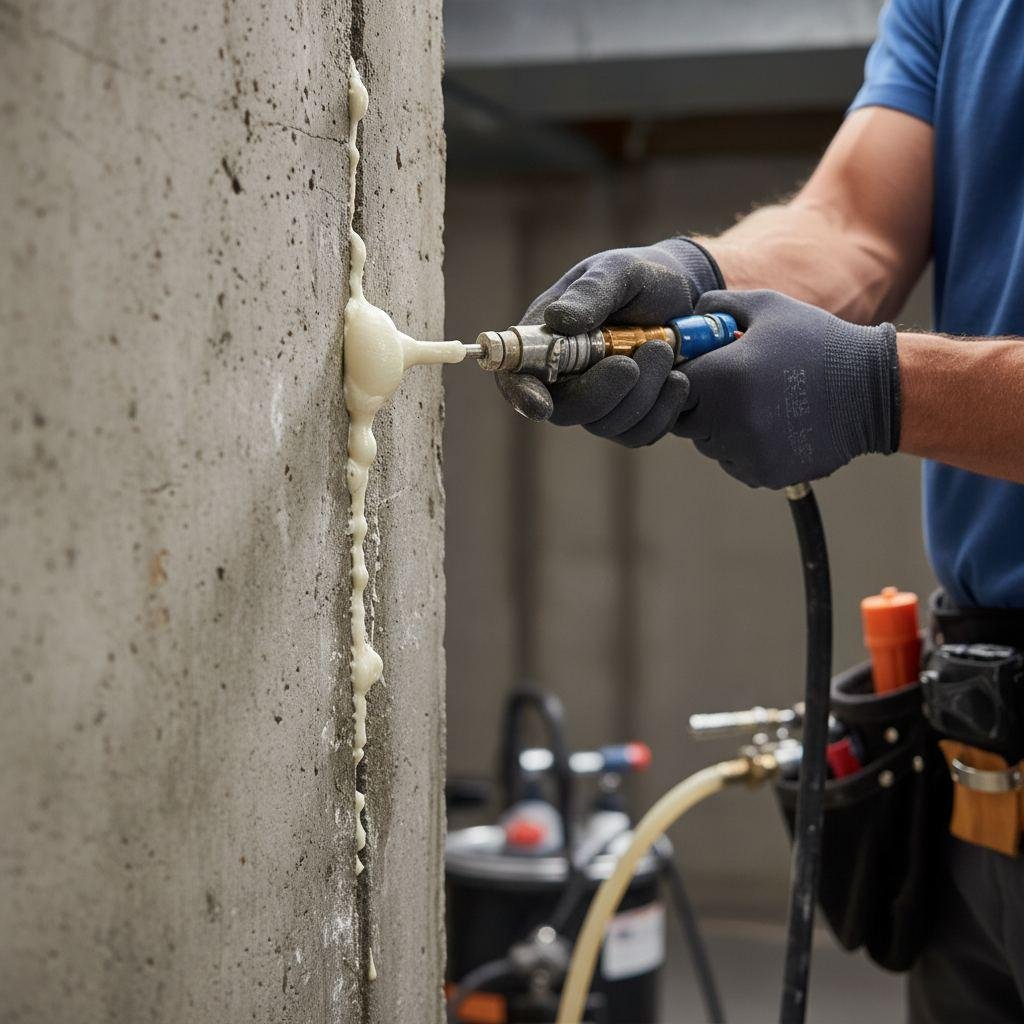
A flexible foam expands to fill the crack, stops active leaks on contact and moves with the wall through the seasons.
Straps bonded to the inside of the wall resist the pressure pushing it in, so a bowing wall stops moving without digging up the yard.
Steel bars are set across the crack and into the wall on both sides, then the joints are repointed to lock the masonry together.
We record the crack width, length and direction so changes can be tracked.
The crack is cleaned and injection ports are set along its length.
Material goes in from the bottom up until the crack is full, then any reinforcement is fitted.
Ports are removed, the surface is sealed and your warranty is issued.
Our inspector will tell you what the crack is, why it opened and which fix makes sense. No pressure.
Drag the handle on each photo to compare the wall before and after repair.
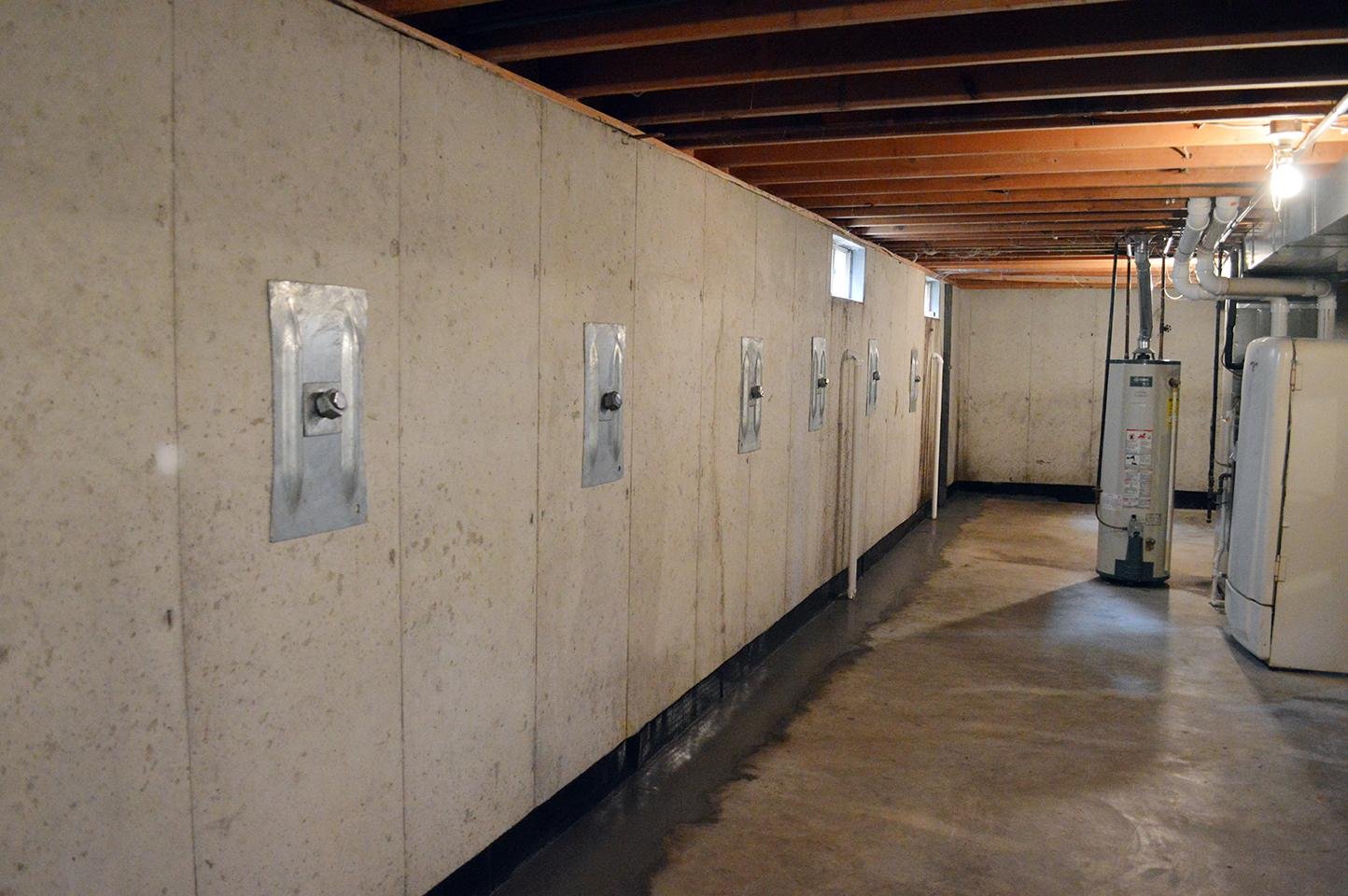
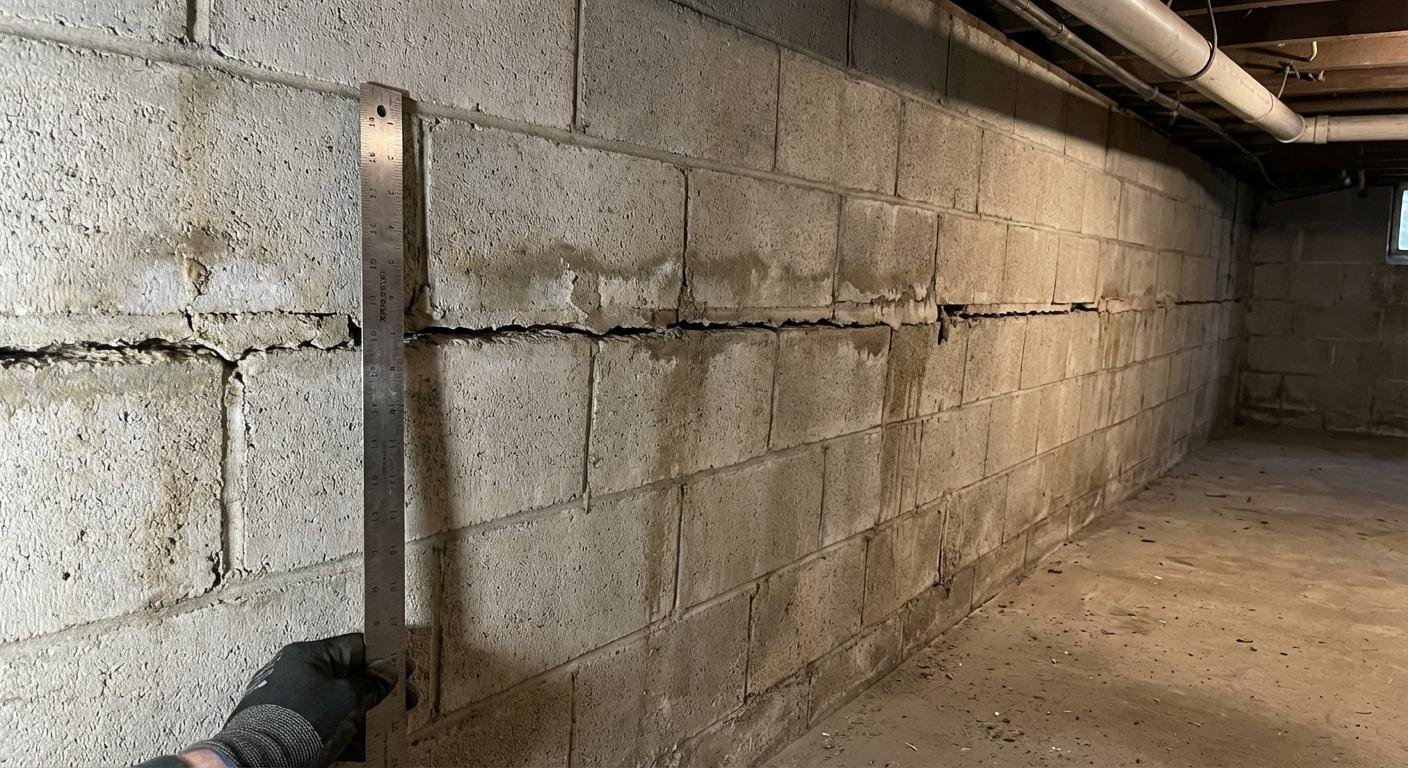
Polyurethane injection stopped an active leak that flooded the corner after every storm.
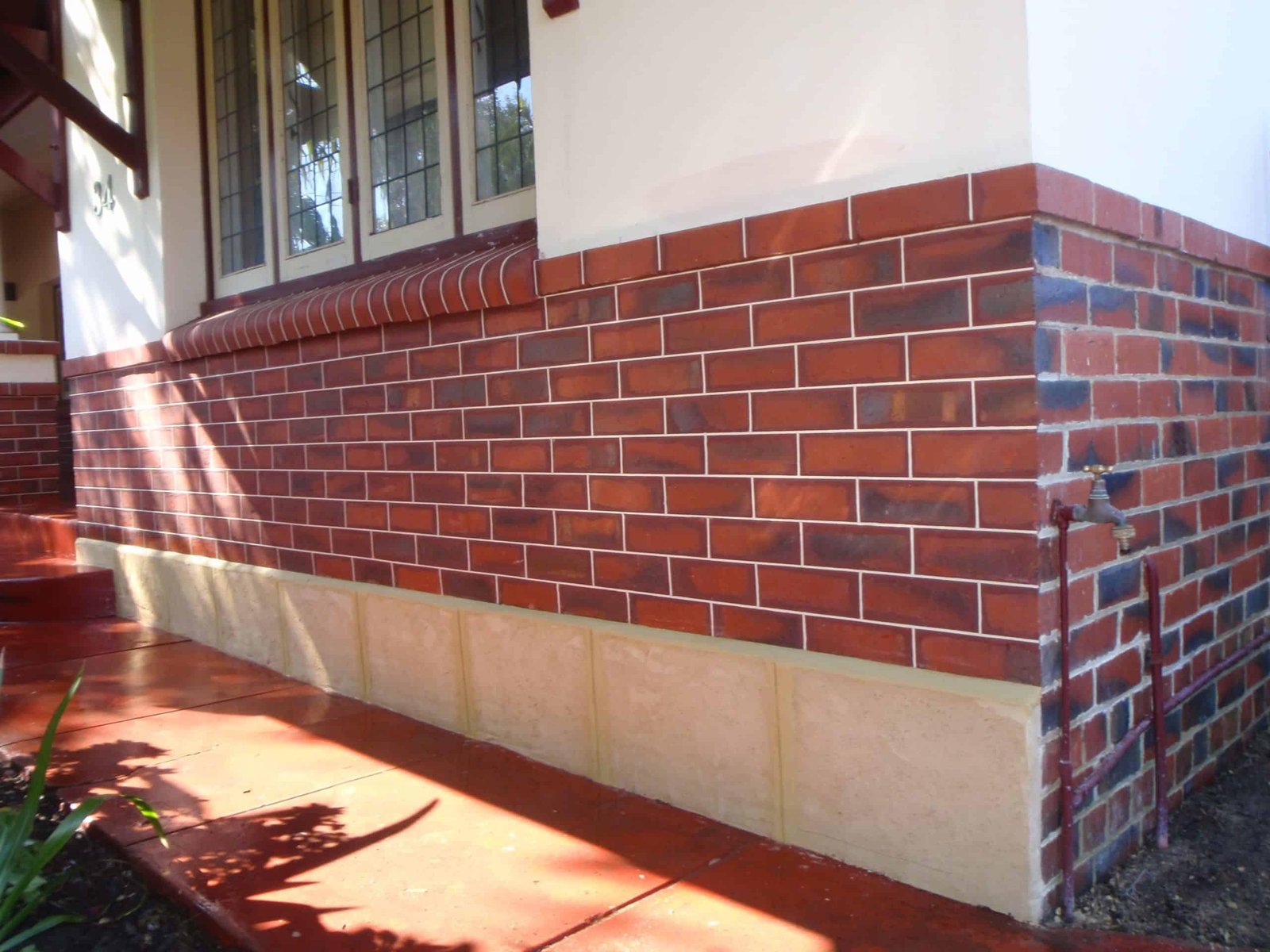
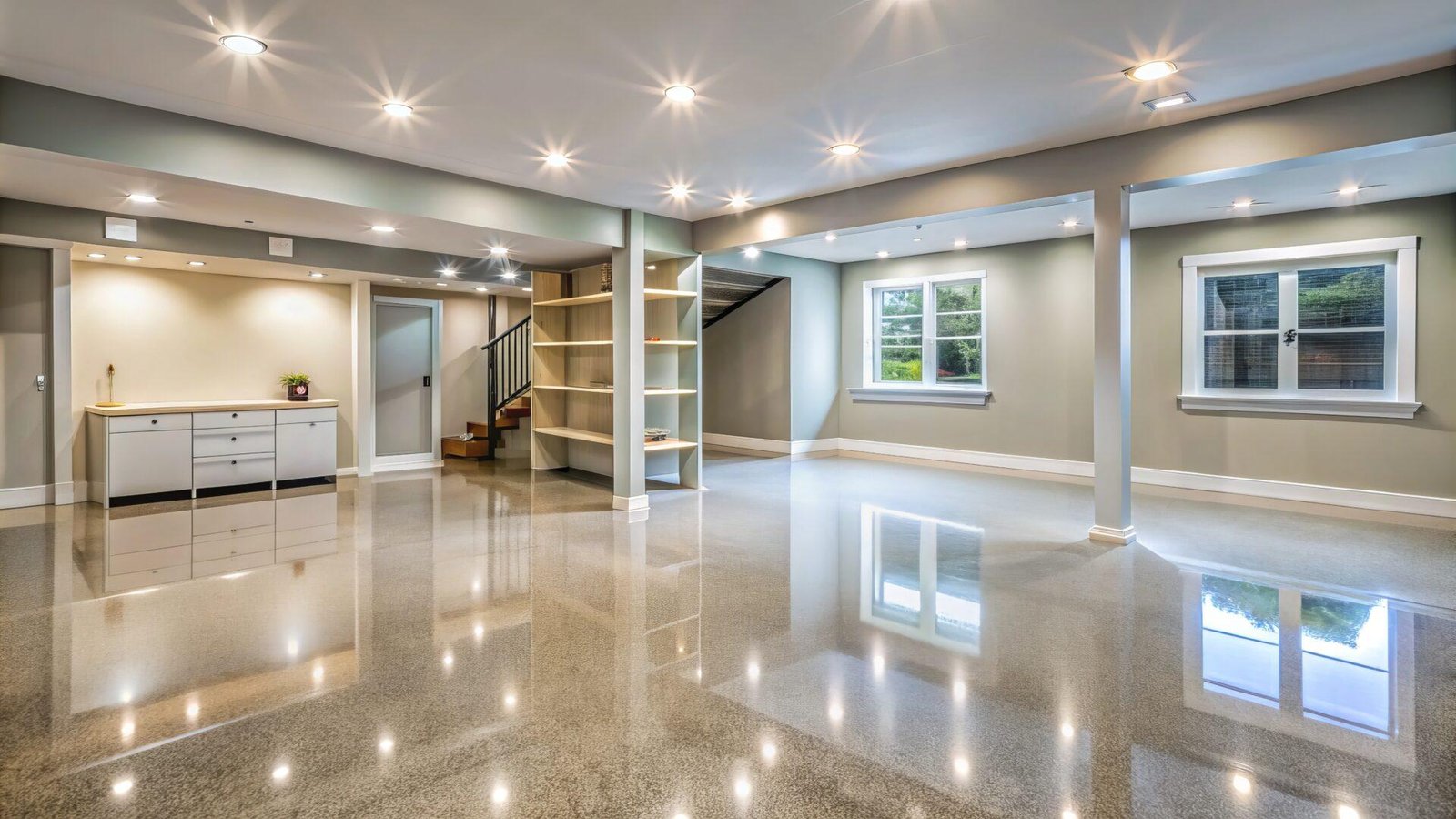
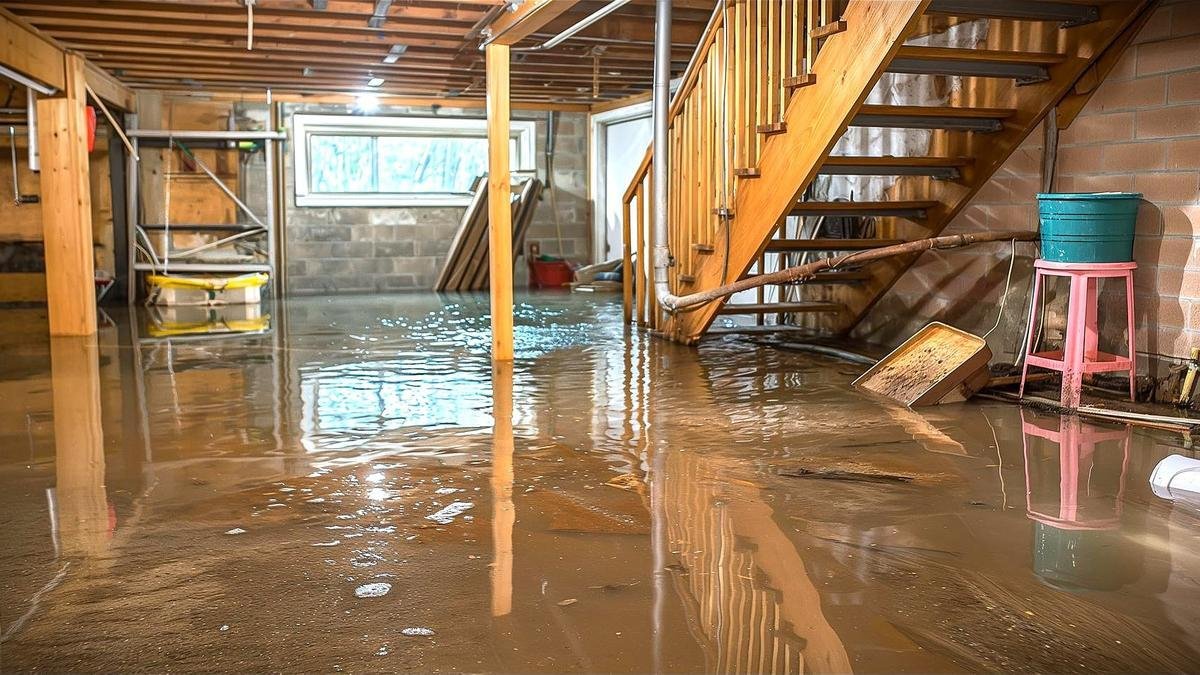
Carbon-fiber straps stopped a horizontal crack from widening as soil pressed on the wall.
Steel stitching tied a block wall back together after one corner settled.
Can’t find your question here? Call us and a crack specialist will help.
Many are not. Hairline and narrow vertical cracks are common and often only need sealing. Horizontal cracks, stair-step cracks, cracks wider than 1/4 in and cracks that keep growing can point to structural movement and should be inspected soon.
It depends on the crack type, its length, the repair method and how easy the wall is to reach. After a free inspection we give you a fixed written quote, so you know the full price before any work starts.
Injection repairs usually take a few hours. Carbon-fiber straps and masonry stitching generally take about one day. You can stay in the house while we work.
A crack reopens when whatever caused it keeps acting on the wall. That is why we check for settlement, water pressure and drainage problems first, and fix them alongside the crack. Every repair carries a lifetime transferable warranty.
Epoxy is rigid and rebuilds strength, so it suits dry, stable cracks. Polyurethane stays flexible and seals leaks, so it suits wet or slightly moving cracks. Your inspector will pick the one that fits.
A DIY kit can work on dry hairline cracks. Wide, leaking, horizontal or stair-step cracks need a professional, because sealing the surface without finding the cause can trap water and hide movement.
Tell us where the crack is. We will measure it, explain the cause and give you a written estimate — free, with no obligation.
No obligation. Takes under a minute.
Prefer to talk? Call +1 (800) 555-0142