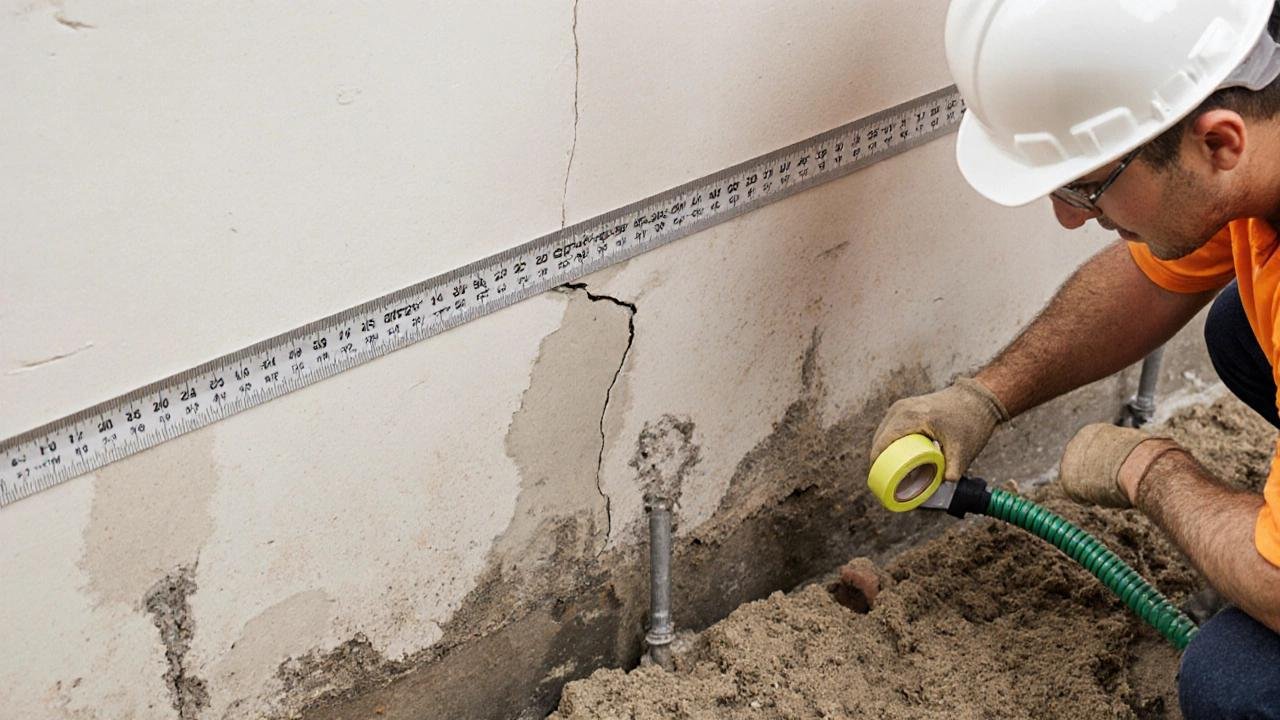
Finding water in your basement is stressful, and the first instinct is to mop up and hope it was a one-off. It rarely is. Water follows the easiest path in, and where it appears tells you a lot about why it is there.
Start with where the water appears
Before you assume the worst, walk the basement after a heavy rain and note exactly where the moisture is. A quick map of the wet spots narrows the likely causes far better than guessing from the stain alone.
| Where you see water | Most likely cause | Typical fix |
|---|---|---|
| Along the wall-floor joint | Water pressure under the slab | Interior drain tile and sump pump |
| One vertical crack in a wall | Shrinkage or minor settlement crack | Epoxy or polyurethane injection |
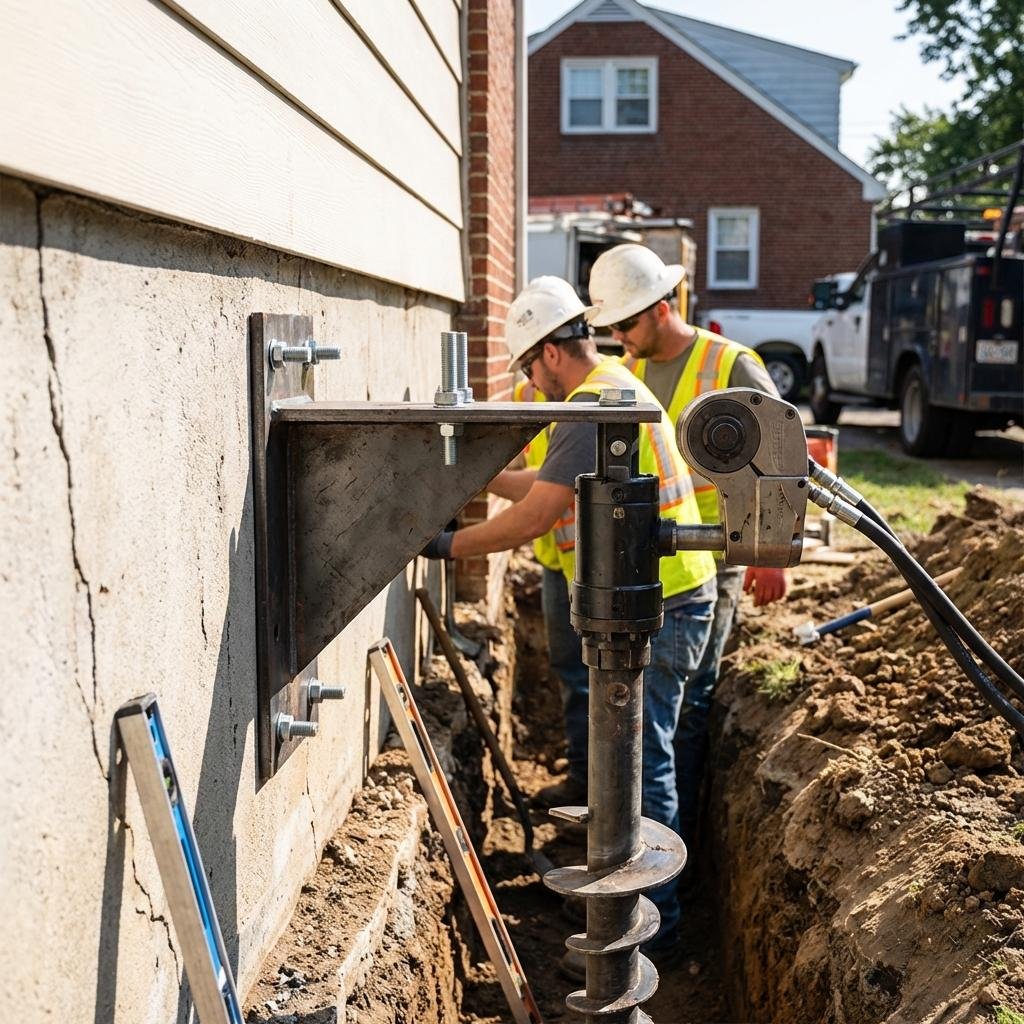
| Horizontal crack with a bowing wall | Soil pressure pushing the wall inward | Wall anchors or carbon-fiber straps |
| Corners after a storm | Short downspouts or poor grading | Extend downspouts and regrade soil |
| Beneath a basement window | Window well filling with water | Window well drain and cover |
Six common causes of a wet basement
Poor grading and short downspouts
Soil that slopes toward the house sends rainwater straight to the foundation wall. A common guideline is a fall of about 6 inches over the first 10 feet away from the house. Downspouts should discharge at least 6 to 10 feet from the wall, not at its base.
Hydrostatic pressure
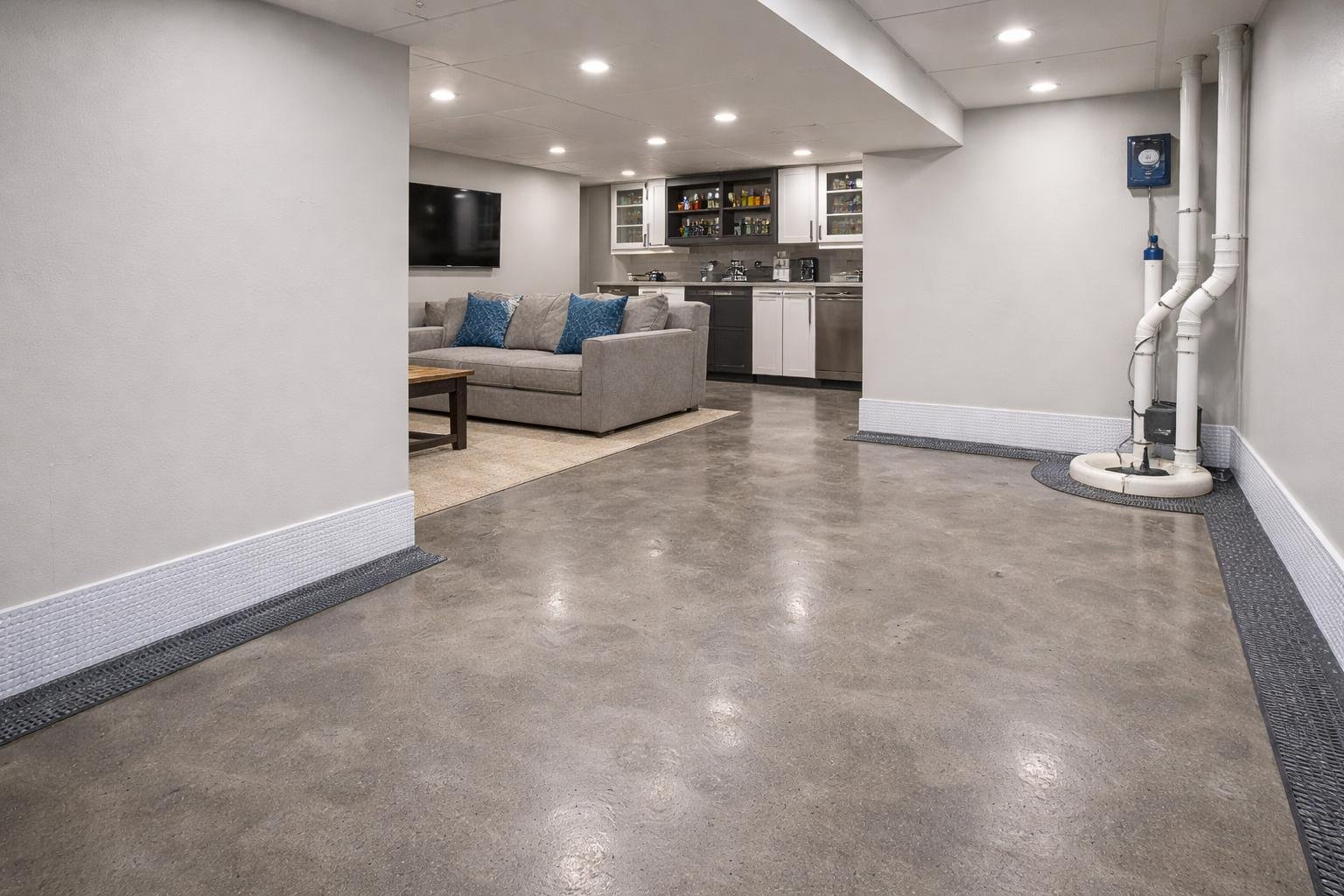
When the soil around the foundation is saturated, the water presses on the walls and up through the slab. It escapes at the weakest point, which is usually the joint where the wall meets the floor. Sealing the surface does not relieve this pressure. A drainage system does.
Cracks in walls and floors
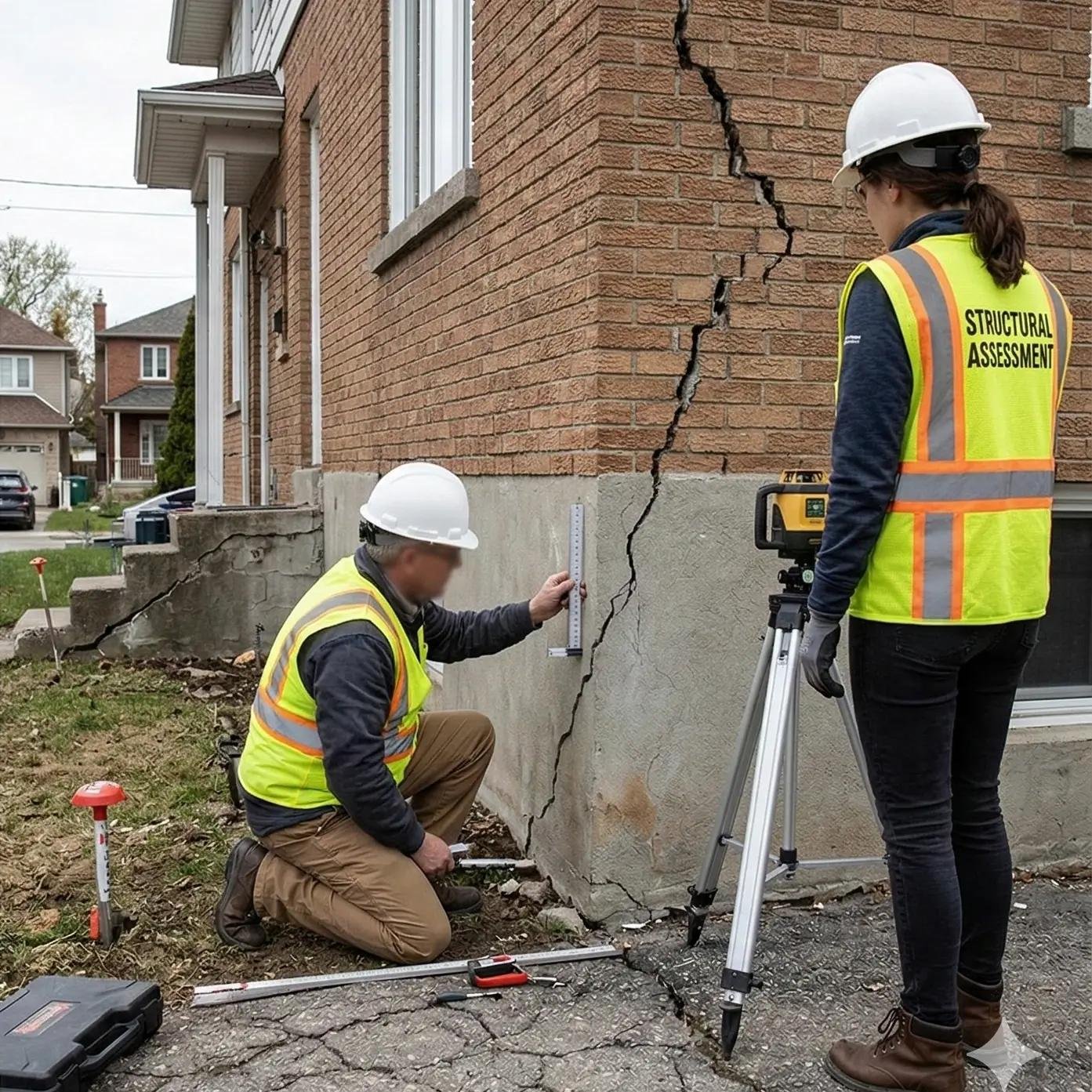
Thin vertical cracks are often shrinkage from curing and only leak when the ground is very wet. Horizontal or stair-step cracks, and any crack wider than 1/8 inch, suggest the wall is moving. Those need a structural assessment, not just a patch.
Failed or missing drainage
Older clay drain tile clogs with silt and roots, and sump pumps wear out. Most pumps last roughly 7 to 10 years, and a stuck float or a power cut during a storm is a common reason they fail when you need them most. A battery backup is inexpensive insurance.
Window wells and openings
A window well with no drain fills like a bucket in heavy rain, and the water leaks around the frame. Clearing debris, adding a drain to the footing and fitting a clear cover usually solves it.
Plumbing leaks
Not every wet floor is groundwater. Supply lines, a water heater or a washing machine hose can leak too. Turn off all water use and check whether your water meter still moves. If it does, call a plumber first.
How to tell a leak from condensation
Cool basement walls collect moisture from warm, humid air, especially in summer. That can look like a leak but needs a different fix.
Try the foil test
Tape a 12-inch square of aluminum foil tightly to the wall and leave it for 24 hours. Droplets on the outside of the foil mean condensation from humid air. Moisture underneath the foil means water is coming through the wall.
What a lasting fix involves
A good repair removes the cause rather than hiding the stain. For most homes that means working from the outside in:
- Manage water outside first. Clean gutters, longer downspouts and correct grading cost little and reduce the load on everything else.
- Relieve pressure inside. A perimeter drain tile system captures water at the footing and sends it to a sump pump with battery backup.
- Seal or stabilize cracks. Injection stops leaks in stable cracks. Carbon fiber or wall anchors are used where the wall is moving.
- Control humidity. A vapor barrier and a properly sized dehumidifier keep air moisture and mold in check afterward.
We never recommend a repair until we know where the water is coming from. Sometimes the best fix is a longer downspout, not a new drain.
Daniel Reyes, Lead Waterproofing Inspector
When to call a professional
Simple grading and gutter fixes are a good first step. But some signs point to pressure or movement that will not stop on its own.
Book an inspection if you see any of these
Cracks wider than 1/8 inch, horizontal cracks, walls that bow inward, water after every heavy rain, or a musty smell that returns after cleaning.
Get Free Inspection